Introduction
IPSC (International Practical Shooting Confederation) competitors are highly requiring and require a mix of ability, technique, and psychological fortitude. To master these competitors, shooters not only need to have exact aim and quick reflexes however likewise comprehend the psychology behind effective IPSC competition targets. In this short article, we will look into the intricacies of the psychology that underlies effective IPSC competitors targets and explore how they can considerably impact a shooter's performance.
The Importance of IPSC Targets
Successful IPSC competitors targets play an essential role in the psychological element of shooting. They work as the focal point for shooters, influencing their frame of mind and determining their level of confidence. The style, positioning, and functions of these targets can significantly affect a shooter's ability to perform under pressure. Let us now dive deeper into numerous elements that contribute to the psychology of successful IPSC competition targets.
The Psychology Behind Target Design
1. Size Matters: Discovering the Sweet Spot
When it comes to IPSC targets, size matters. The dimensions of a target must strike a balance between being challenging adequate to evaluate the shooter's skills while still permitting precision. A target that is too large might not adequately challenge the shooter, leading to complacency and absence of focus. On the other hand, a target that is excessively little can induce anxiety and overwhelm the shooter with its trouble. For this reason, finding the best size is essential in creating successful IPSC competition targets.
2. Struck Zones: Maximizing Accuracy
A properly designed target need to include hit zones that replicate real-life circumstances while offering enough scoring opportunities for shooters. These hit zones should be tactically put to encourage shooters to focus on particular areas on the target. By making the most of precision through struck zones, shooters establish a sense of accomplishment and are more likely to experience success throughout competitions.
3. Reactive Functions: Enhancing Realism
To include an element of realism and improve the psychological element of shooting, reactive features can be integrated into IPSC targets. These functions might consist of falling plates, swinging targets, or auditory feedback upon successful hits. By supplying instant feedback and replicating real-life circumstances, reactive features contribute to the psychology of successful IPSC competitors targets.
The Impact of Target Placement
4. Distance Matters: Challenging Precision
The positioning of IPSC targets at varying distances is vital in challenging shooters' precision and focus. Targets positioned at different distances need shooters to change their objective and adjust to altering circumstances. This element of target positioning evaluates a shooter's ability to manage pressure and make accurate shots under various conditions.
5. Shooting Angles: Evaluating Adaptability
In IPSC competitions, shooters are often required to engage targets from multiple shooting angles. This element of target placement includes an extra layer of intricacy and psychological difficulty. By requiring shooters to adjust to different shooting angles, effective IPSC competitors targets evaluate their mental versatility and ability to rapidly evaluate and engage targets from different perspectives.
6. Concealment: Imitating Real-Life Scenarios
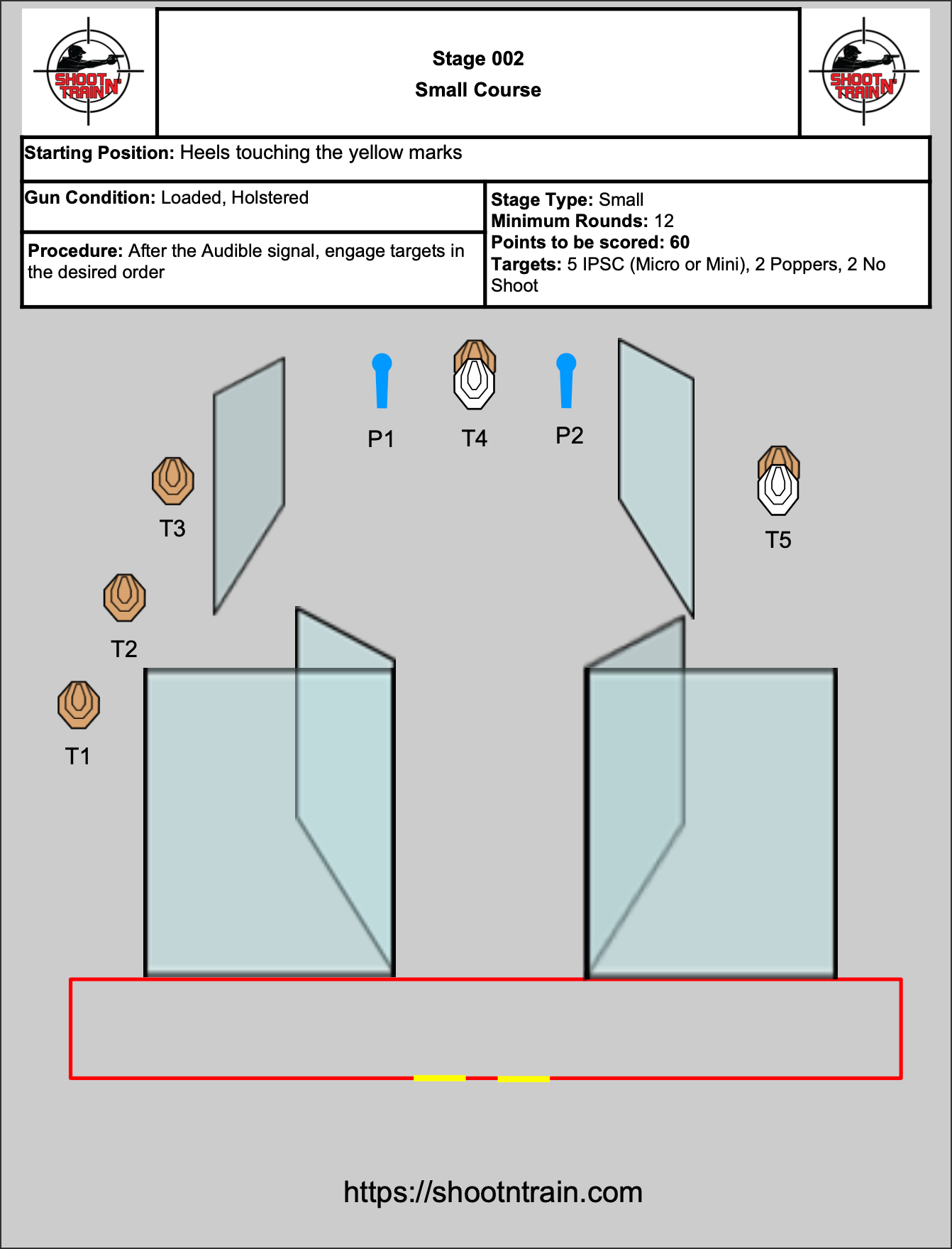
To replicate real-life scenarios encountered by police officers or self-defense scenarios, IPSC competitors targets can be tactically put behind barriers or partial concealment. This positioning motivates https://ewr1.vultrobjects.com/alugramesgr/btactical/uncategorized/improving-your-shot-hitting-the-mark-with-ipsc-cardboard613741.html shooters to make split-second choices on when and where to engage the target, including a mental element of tension and urgency.
The Function of Target Presentation
7. Timing: Structure Mental Speed
The timing at which a shooter experiences a target considerably affects their performance. By presenting targets at irregular intervals or integrating timed series, successful IPSC competition targets challenge a shooter's mental speed and decision-making abilities. This element plays an essential role in reproducing vibrant circumstances that shooters may come across in real-life scenarios.
8. Visual Intricacy: Enhancing Focus
Successful IPSC competitors targets typically integrate visual complexity to replicate real-world environments. By adding interruptions or multiple targets within a scene, shooters are required to preserve focus and quickly identify the target that requires engagement. This element of target presentation improves a shooter's ability to prioritize and make accurate decisions under pressure.
9. Target Motion: Checking Tracking Skills
Incorporating moving targets into IPSC competitions includes an additional layer of challenge and psychological need. Moving targets require shooters to track the target's motion while maintaining accuracy, reproducing situations where targets might be in motion in real-life situations. Successful IPSC competition targets effectively evaluate a shooter's tracking abilities and mental agility.
Frequently Asked Questions
Q1: What is the significance of IPSC targets in competitors shooting?
Successful IPSC competitors targets serve as the centerpiece for shooters, affecting their frame of mind and identifying their level of confidence. They play an essential function in challenging shooters' skills, boosting realism, and mimicing real-life scenarios.
Q2: How does target style impact a shooter's performance?
Target style impacts a shooter's performance by offering the right balance in between difficulty and accuracy. The size, hit zones, and reactive features of IPSC targets substantially affect a shooter's mindset, confidence, and sense of accomplishment.
Q3: Why is target positioning essential in IPSC competitions?
Target positioning is necessary as it challenges shooters' accuracy, flexibility, and decision-making capabilities. Varying distances, shooting angles, and concealment reproduce real-life scenarios and evaluate a shooter's psychological versatility under changing circumstances.
Q4: How does target presentation affect a shooter's performance?
Target presentation impacts a shooter's efficiency by developing psychological speed, enhancing focus, and screening tracking skills. Timing, visual intricacy, and moving targets add mental demands that mirror dynamic circumstances come across in real-life scenarios.
Q5: What are some essential mental aspects resolved by effective IPSC competitors targets?
Successful IPSC competition targets address key psychological aspects such as self-confidence, focus, versatility, decision-making under pressure, and mental agility. These aspects contribute to a shooter's overall performance in IPSC competitions.
Q6: How can shooters take advantage of comprehending the psychology of effective IPSC competitors targets?
Understanding the psychology of successful IPSC competitors targets allows shooters to establish a strategic method to their training and competitors preparation. By recognizing the impact of target design, placement, and presentation on their mindset, shooters can improve their abilities and enhance their performance.
Conclusion
The psychology of effective IPSC competitors targets incorporates numerous elements such as target style, positioning, and discussion. By understanding how these components influence a shooter's state of mind and performance, shooters can develop methods to optimize their training and competition preparation. Effective IPSC competition targets obstacle shooters' abilities, enhance realism, and imitate real-life situations. By incorporating the mental elements addressed by these targets into their training routines, shooters can enhance their capabilities to perform under pressure and master IPSC competitions.